Understanding the Impact of Sheath Materials on Thermocouple Lifespan
Common Challenges with Thermocouple Sheath Materials
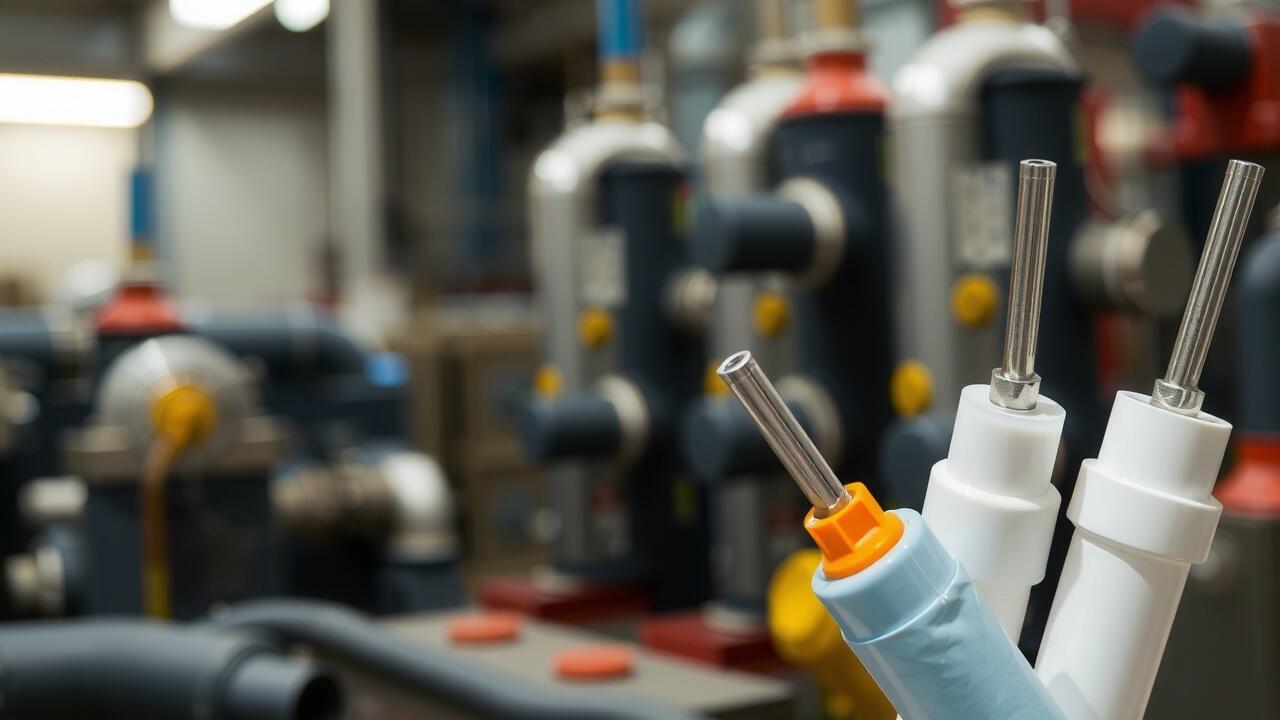
Thermocouples face various challenges related to their sheath materials, impacting their overall performance and lifespan. One major issue is corrosion, particularly in environments where moisture and chemicals are present. For instance, a stainless steel sheath may perform well in dry conditions, but in highly acidic or basic settings, it can deteriorate rapidly, affecting temperature readings. In cases where users require accurate temperature measurements, the reliability of the underlying sheath material becomes crucial.
Another challenge involves thermal conductivity and response time. Sheath materials like certain ceramics can insulate sensors such as rtd probes or rtd thermocouples, which potentially delays the response to rapid temperature changes. This delayed reaction can skew data in dynamic applications, leading to inaccurate readings. In high-temperatures or fluctuating environments, selecting an appropriate sheath material that balances durability and thermal efficiency is paramount for maintaining measurement integrity. Dive into rtdthermocouples.
What Problems Arise from Incorrect Material Choice?
Choosing the wrong sheath material for thermocouples can result in significant issues over time. For instance, using a sheathing material that cannot withstand high temperatures may lead to premature degradation. A thermocouple meant for high-temperature applications, like those in furnaces, can fail if housed in a material that's only rated for lower ranges. This breakdown can also result in inaccurate readings, which is crucial for processes where precision is non-negotiable. Operators might then incorrectly assess data, potentially causing production errors or equipment damage.
In addition, incorrect material choices can affect the calibration and longevity of temperature sensors like RTD probes and RTD thermocouples. For example, a metallic sheath exposed to corrosive environments like acid or saltwater can corrode, altering the sensor’s performance. Even slight corrosion can introduce measurement errors, leading to significant financial losses in industries reliant on stringent temperature control, such as food processing or pharmaceuticals. Ensuring that the sheath material aligns with the environmental conditions is vital for maintaining accuracy and prolonging the lifespan of the sensor.
Benefits of Using High-Temperature Sheath Materials
High-temperature sheath materials significantly extend the lifespan of thermocouples used in extreme conditions. For instance, when employed in environments exceeding 1,000°C, materials such as high-purity alumina or specialized alloys maintain structural integrity and enhance performance. These options resist oxidation and corrosion, which are common issues when using standard alloys in harsh settings. By ensuring that thermocouples can operate effectively where temperatures are critical, facilities can avoid costly downtime and expensive replacements.
The selection of the right sheath material can also improve measurement accuracy, particularly when high-precision processes are required. Thermocouples insulated with advanced ceramics exhibit lower thermal mass, allowing for faster response times to temperature changes. This ensures that rtd probes deliver more reliable and repeatable readings. A study found that using high-temperature resistant sheaths resulted in a 20% increase in calibration stability over traditional materials, thereby enhancing the overall data quality. When professionals prioritize materials designed for high heat, they not only protect their equipment but also guarantee the integrity of their temperature measurements in challenging environments.
Why Are They Essential for Extreme Environments?
Choosing the right sheath material is critical when operating in extreme environments. For example, industries like petrochemical and metal processing often encounter temperatures exceeding 600°C. In such cases, high-temperature materials, like ceramics, resist oxidation and thermal fatigue better than standard metal sheaths. This resistance prolongs the lifespan of instruments such as RTD thermocouples, ensuring they provide accurate data over time despite harsh conditions.
Protection from corrosion and mechanical stress is another significant concern. When you’re working with molten metals or aggressive gases, a robust sheath can make all the difference. For instance, a silicon carbide sheath can withstand hostile environments while maintaining calibration and accuracy, making it vital for applications requiring precision. Adopting the right material is not just a matter of longevity; it directly influences the reliability of measurements taken from RTD probes within these extreme settings, ensuring that businesses operate smoothly and safely.
- Proper sheath materials enhance instrument longevity in high-temperature settings.
- They improve the accuracy of data collected from RTD thermocouples.
- Robust sheaths help protect against corrosion from aggressive gases and materials.
- Materials like silicon carbide provide reliable performance in harsh conditions.
- Selecting the right materials ensures operational safety in critical industries.
- High-performance sheaths contribute to reduced maintenance costs over time.
- Investing in quality materials leads to better overall efficiency in extreme environments.
3 Ways Sheath Materials Affect Calibration
Thermocouple calibration hinges significantly on the sheath material's thermal conductivity. For instance, metals like stainless steel transfer heat quickly, enabling rapid response times. On the other hand, ceramic sheaths, while more stable in harsh conditions, can slow down reaction times, leading to potential lag in readings. Understanding the nuances of how these materials behave under varying temperature conditions is critical. This difference can notably affect the precision of readings, especially in regulated environments demanding strict adherence to temperature specifications.
Relying on appropriate sheath materials also plays a role in the overall stability of rtd probes and rtd thermocouples. Protective sheaths that can withstand corrosive environments will maintain their integrity over time, resulting in fewer calibration adjustments required. For example, using a high-performance ceramic sheath in a high-vibration manufacturing setting can keep readings consistent across shifts. Calibration processes become streamlined when the right materials are utilised since less frequent recalibration reduces downtime and improves production efficiency. In industries where accuracy is paramount, selecting the appropriate sheath material is not just beneficial—it's essential.
How Can You Ensure Accurate Readings with the Right Material?
Selecting the right sheath material dramatically impacts the accuracy of temperature readings, especially when using rtd probes or rtd thermocouples. For example, stainless steel provides excellent durability and resistance to oxidation at high temperatures, making it suitable for environments where rapid temperature fluctuations occur. Conversely, materials like ceramic offer superior thermal stability in extreme conditions, but they lack ductility and can crack under physical stress. Understanding the specific environment and application requirements is crucial for ensuring precise measurements and extending lifespan.
To guarantee accurate readings, aligning sheath material with the expected temperature range is essential. High-temperature alloys might be necessary for processes exceeding 800°C. A case study revealed that a food processing plant that switched to Inconel sheaths observed a 15% decrease in reading errors, ultimately enhancing product quality and compliance with safety standards. Incorporating thermowells can further protect thermocouples from physical damage, contributing to the consistency of temperature data while reducing maintenance costs.
Comparing Metal and Ceramic Sheath Options
Metal and ceramic sheath options for thermocouples and RTD probes each come with unique benefits and drawbacks that significantly affect performance in varying conditions. Metal sheaths, typically made of stainless steel or nickel alloy, provide durability and good thermal conductivity. They are ideal for applications with moderate temperature fluctuation and can often withstand corrosive environments. For example, in a chemical plant, the resistance of stainless steel to many corrosive substances can be a significant advantage.
On the flip side, ceramic sheaths excel in high-temperature applications, often pushing past 1000°C. These materials resist thermal shock and chemical reactions that metals may succumb to. For instance, when measuring temperatures in furnaces or jet engines, ceramic thermocouples can maintain accuracy where metal would fail. While the initial cost of ceramic sheaths may be higher, their longevity and reliability in extreme conditions often justify the investment. Selecting the right material not only influences lifespan but also impacts calibration accuracy, making it crucial for professionals to weigh their options carefully.
What Are the Pros and Cons of Each Type?
When considering metal sheath materials, stainless steel is often the go-to choice for many applications, offering a balance of strength and corrosion resistance. It’s capable of withstanding high temperatures, making it suitable for various industrial settings. However, its thermal conductivity can be a drawback, especially in situations demanding rapid response times. On the other hand, ceramic materials stand out for their excellent heat resistance and insulating properties, making them ideal for extreme environments. Their brittleness can pose concerns during installation or handling, which needs to be factored into any application involving rtd probes.
Both options come with distinct advantages and disadvantages. Metal sheaths provide durability and a robust structure; they’re ideal for environments where physical impacts are a concern. Yet, if your application involves significant thermal cycling or exposure to corrosive substances, ceramic sheaths may offer superior longevity. While selecting between rtd thermocouples or other types, always consider the calibration nuances each material presents. Proper matching of sheath material to the operating environment can enhance accuracy and overall performance, saving time and resources down the road.
FAQS
What is the main role of sheath materials in thermocouples?
Sheath materials protect the thermocouple from environmental factors and help ensure accurate temperature readings, ultimately influencing the lifespan of the thermocouple.
How do incorrect sheath materials affect thermocouple performance?
Using the wrong material can lead to inaccurate readings, premature wear, and even complete failure of the thermocouple, especially in extreme temperatures or corrosive environments.
What are the advantages of using high-temperature sheath materials?
High-temperature sheath materials can withstand extreme heat without degrading, which is essential for maintaining accuracy and prolonging the lifespan of thermocouples in demanding applications.
Can sheath materials impact the calibration of thermocouples?
Absolutely! The choice of sheath material can affect thermal conductivity and response times, which in turn can impact calibration and the accuracy of temperature readings.
What should I consider when choosing between metal and ceramic sheath options?
Consider factors like the temperature range, environment (corrosive or non-corrosive), and the required durability, as both metal and ceramic have their pros and cons depending on the application.