Thermal Drift in Thermocouples: Expert Insight on Signal Degradation Over Time
The Role of Calibration in Mitigating Drift
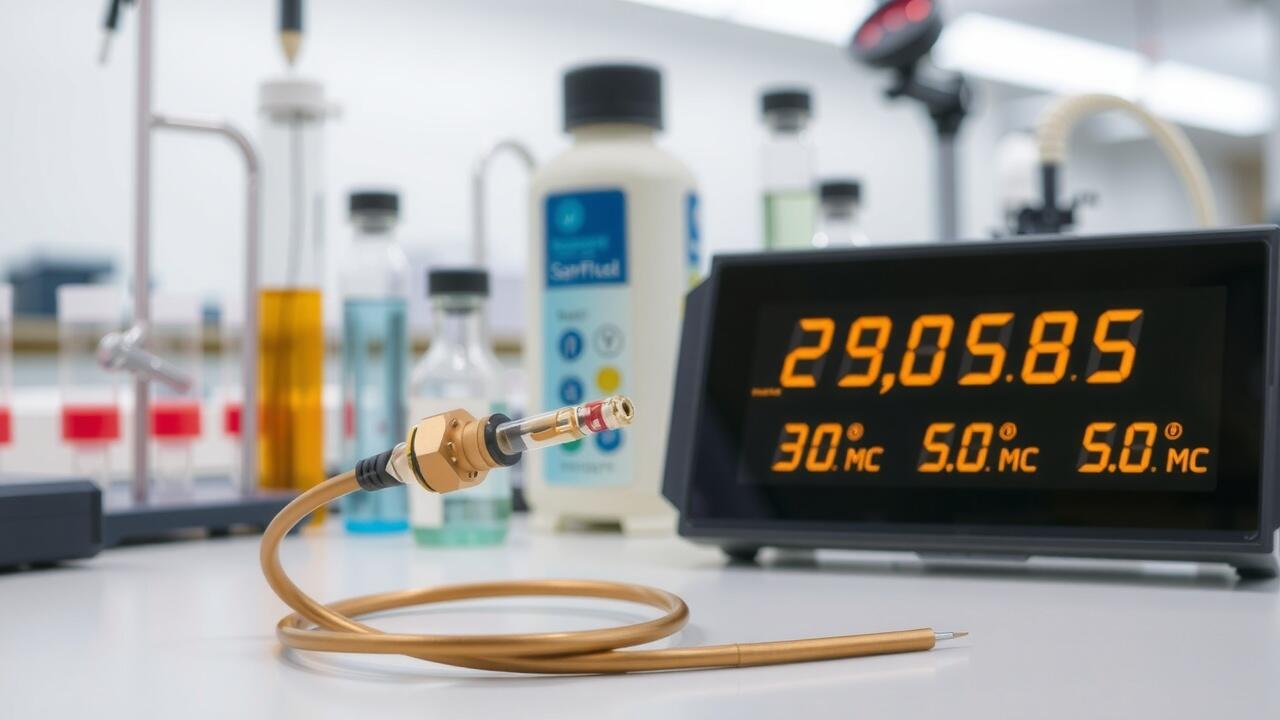
Calibration plays a vital role in managing thermal drift in thermocouples, ensuring they deliver accurate temperature measurements over time. A well-calibrated thermocouple can maintain its precision within ±1°C, while uncalibrated devices may drift by several degrees, severely affecting process control. For instance, a manufacturing process that relies on high-precision temperature regulation can suffer significant financial losses if the thermocouples are not regularly calibrated. Regular calibration not only aligns the device’s output with known standards but also helps identify possible degradation or performance issues before they escalate.
Implementing a structured calibration schedule can enhance the reliability of thermocouples, particularly in critical applications such as food processing and pharmaceuticals. In such sectors, even minor temperature deviations can compromise product quality and safety. Using equipment like rtd probes alongside thermocouples can provide complementary measurements, further improving overall accuracy. Incorporating best practices, such as following ISO 9001 standards, ensures consistency in measurement and can result in a noticeable reduction of drift effects.
Why is Regular Calibration Essential? (Ensuring precision over time)
Calibration plays a crucial role in ensuring that thermocouples maintain their accuracy over extended periods. Regular checks help to identify any drift, which can result from temperature fluctuations and environmental factors. A study conducted in the food processing industry highlighted that failing to calibrate thermocouples regularly resulted in temperature discrepancies of up to 5°C, affecting product quality and safety. Establishing a consistent calibration schedule helps mitigate these risks by maintaining measurement precision and enhancing reliability.
When considering alternatives like RTD probes, the calibration routine remains equally important. RTD thermocouples can exhibit drift, particularly in demanding conditions such as chemical exposure or high humidity. Investing in equipment that adheres to industry standards, like ASTM E2877, can vastly improve calibration procedures. These measures ensure that thermocouples operate within acceptable tolerance levels, ultimately leading to better performance and more accurate data collection in critical applications. Regular calibration not only enhances device longevity but also supports compliance with operational standards across various sectors.
Comparing Thermocouple Types for Signal Stability
When examining thermocouple types, stability varies significantly based on the materials and construction. For instance, Type K thermocouples are widely used due to their versatility in a range of applications. They demonstrate decent stability across standard conditions but can show degradation under extreme temperatures. In contrast, Rtd probes provide higher accuracy and stability over longer periods, making them ideal for precision applications in laboratories or manufacturing environments. Their construction allows for minimal thermal drift over time, often yielding reading deviations of less than 0.1°C per hundred hours of use.
If you're looking for a thermocouple type that suits specific operational needs, consider the environment where it will be deployed. For example, Type J thermocouples might perform well in reducing drift for moderate temperature ranges but could be less reliable when exposed to harsher conditions. On the other hand, Rtd thermocouples, living up to their reputation, maintain accurate readings in extreme temperature fluctuations, proving essential in applications requiring high precision. Regular maintenance and calibration become crucial in this context, ensuring that any form of drift is promptly addressed to protect process integrity.
Which Type is Best for Your Needs? (Differences in performance and applications)
Selecting the right thermocouple type hinges on application requirements and environmental factors. For extreme temperature fluctuations, Type K thermocouples often outperform others due to their wide range of -270 to 1372 degrees Celsius. Meanwhile, Type J's sensitivity to oxidation makes it a less viable choice in oxidizing atmospheres. Industries ranging from manufacturing to food processing have distinct needs, thus understanding how different thermocouples behave under various conditions ensures optimal selection.
When comparing thermocouples to RTD probes, consider their unique benefits. RTD thermocouples generally offer superior linearity and stability for precise temperature measurement, especially in settings where accuracy is paramount. In contrast, thermocouples may excel in applications requiring fast response times or higher temperature ranges. Regular assessment of performance characteristics through standardized testing can significantly impact your choice, enabling you to make informed decisions based on real data that match your operational demands.
- Type K thermocouples are ideal for broad temperature ranges, making them versatile for many industries.
- Type J thermocouples are less suitable for oxidizing environments due to their sensitivity.
- RTD probes provide higher accuracy and stability in temperature measurements.
- Thermocouples generally offer quicker response times than RTD probes.
- Regular performance assessments help in choosing the right thermocouple for specific applications.
- Consider environmental factors such as moisture and corrosiveness to ensure longevity.
- Evaluate the required temperature range and application requirements to make the best choice.
3 Techniques to Reduce Drift Effects
One effective method to reduce drift effects in thermocouples involves the use of rtd probes. These sensors are known for their stability and accuracy over time, making them excellent alternatives where minimal drift is essential. Facilities operating in industries with stringent temperature control, such as pharmaceuticals, often report enhanced reliability when integrating rtd probes into their systems. Regular comparison against these high-performance sensors can reveal drift in thermocouples and help ensure that temperature readings remain accurate and consistent.
Implementing practical shielding methods can also counteract thermal drift by reducing electromagnetic interference. Many professionals recommend wrapping thermocouple wires in a grounded metallic shield, which protects the signal from external noise that could contribute to inaccuracies. This technique is particularly useful in environments with fluctuating electromagnetic fields, such as manufacturing plants where heavy machinery operates. Furthermore, establishing a robust maintenance schedule that includes periodic checks for insulation integrity can improve long-term performance and signal stability. By blending these strategies, users can maximize measurement fidelity, crucial for compliance with industry standards.
How Can Shielding Improve Accuracy? (Practical shielding methods)
Proper shielding is crucial in enhancing the accuracy of your measurements in thermocouples. By protecting sensitive components from electromagnetic interference (EMI), you can significantly reduce noise and fluctuation in readings. For example, optimally using grounded shields around thermocouples can prevent erratic signals caused by nearby machinery or power lines. This is especially important in industrial settings where fluctuating environments can compromise data integrity.
In addition to enclosing thermocouples within shielded cables, the use of rtd probes provides another layer of defence against drift. These probes often employ materials designed specifically to minimize signal degradation over time. When you understand and implement these shielding methods, the accuracy of temperature measurements can improve dramatically. Regular assessments of the shielding effectiveness further ensure that your thermocouples maintain precise performance, adhering to industry standards like ASTM E2877 for thermal sensor testing.
Testing Your Thermocouple for Drift
To effectively test your thermocouple for drift, a systematic approach is essential. Start by checking the calibration of your device against known standards. For instance, using a reference RTD thermocouple with a tightly controlled temperature range can help establish a baseline. Document any deviations from expected readings, as this data will be crucial for analysis. A consistent discrepancy might indicate a drift in the thermocouple itself, necessitating adjustments or replacement based on the level of precision required for your specific application.
Utilizing advanced testing instruments can offer a more comprehensive evaluation. Devices like data loggers paired with RTD probes can continuously monitor temperature over extended periods. This method provides vital insights into the thermocouple's performance under varying conditions, allowing for a better assessment of stability and reliability. Regularly running these tests aligns with industry standards, ensuring your measurements remain accurate and trustworthy in critical environments. Depending on the severity of the drift, you may consider recalibrating your thermocouple or switching to more robust options that better handle your specific operational demands.
What Are Effective Testing Methods? (Guidelines for evaluating performance)
Testing thermocouples for drift involves several methods to ensure accuracy and reliability. One common approach is to use a reference standard, such as calibrated rtd probes, which offer a reliable point of comparison. These probes can be placed in the same environment as the thermocouple to measure the temperature concurrently. By comparing the readings between the thermocouple and the rtd probes, you can clearly identify any discrepancies that indicate drift.
Another effective method is the multi-point calibration technique. This involves measuring widespread temperature points to create a comprehensive profile of the thermocouple’s performance over a range of temperatures. Anomalies at various points can reveal issues that aren't apparent from single-point testing. Incorporating regular checks against industry standards can further validate these methods, ensuring that any deviations are addressed promptly. Regular validation not only ensures compliance but also enhances the overall performance and longevity of sensors in critical applications.
FAQS
What is thermal drift in thermocouples?
Thermal drift refers to the gradual change in the output signal of a thermocouple over time, which can lead to inaccuracies in temperature readings due to factors like material aging or environmental conditions.
Why is regular calibration important for thermocouples?
Regular calibration is essential to ensure that thermocouples maintain their accuracy over time. It helps identify any drift that may have occurred and allows for adjustments to keep measurements precise, ensuring reliable data for your applications.
How can I choose the right type of thermocouple for my needs?
Choosing the right thermocouple depends on the specific requirements of your application, such as the temperature range, environmental conditions, and response time. Comparing the performance characteristics of different types can help you make an informed decision.
What are some practical methods to reduce drift effects in thermocouples?
There are several techniques to reduce drift effects, including proper shielding to protect against electromagnetic interference, regular maintenance and calibration, and selecting the right thermocouple type for your specific environment.
How can I effectively test my thermocouple for drift?
Effective testing methods include comparing the thermocouple output against a known reference temperature, using calibration baths, or employing a precision thermometer. Following guidelines for evaluating performance ensures you're getting accurate results.